Understanding Your Patch Test Results

Got your patch test results but confused by thiuram mix, carba mix, or MBT? A plain-language guide to what your rubber chemical allergies mean for clothing.

Patch Test Guide · Allergens Explained

Understanding Your Patch Test Results

Got your patch test results but confused by thiuram mix, carba mix, or MBT? A plain-language guide to what your rubber chemical allergies mean for clothing.

GOTS Certified
Lab Tested
Dermatologist Recommended
Chemical-Free

Trusted Certifications

GOTS Certified

Certified by: IDFL Laboratory and Institute Inc.

License Number: GOTS-28166

B Corp

Certified B Corporation

Microbiome

Skin-friendly certification

OEKO-TEX

Product safety standard

Clinically Tested

Evaluation study support

Condition Overview

You've got your patch test results, and now you're looking at words like Thiuram Mix, Carba Mix, or Mercaptobenzothiazole. This guide translates the medical terminology into plain language and explains what your results mean for your daily clothing choices. Most textile-related allergies involve rubber accelerators - chemicals used to process rubber and elastic - often tested as mixes of several related substances. Your dermatologist or allergist remains the best resource for interpreting your specific results.

Common Clothing Triggers

These are fabric, finish, and construction factors that may worsen symptoms for some people.

Thiuram Mix
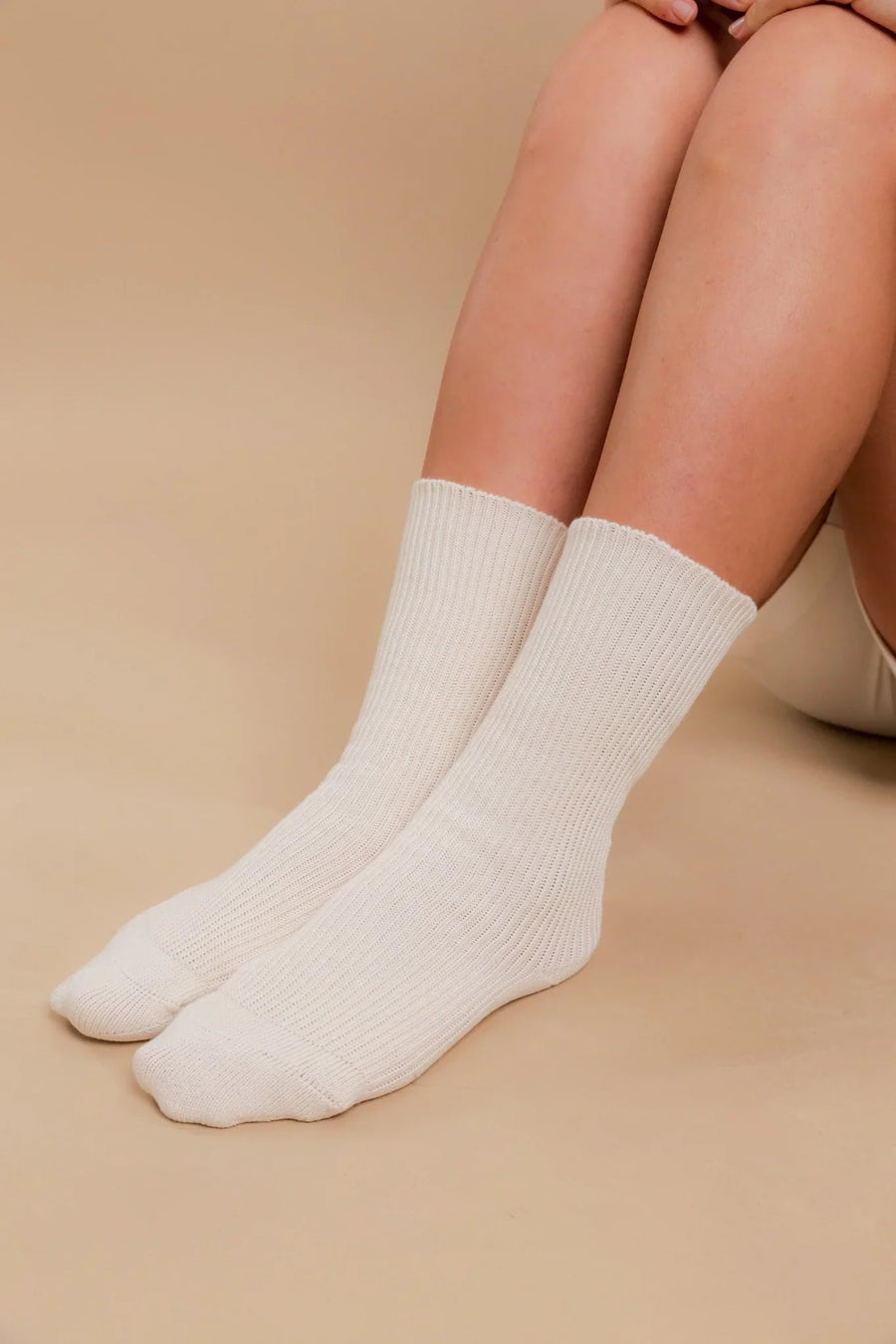
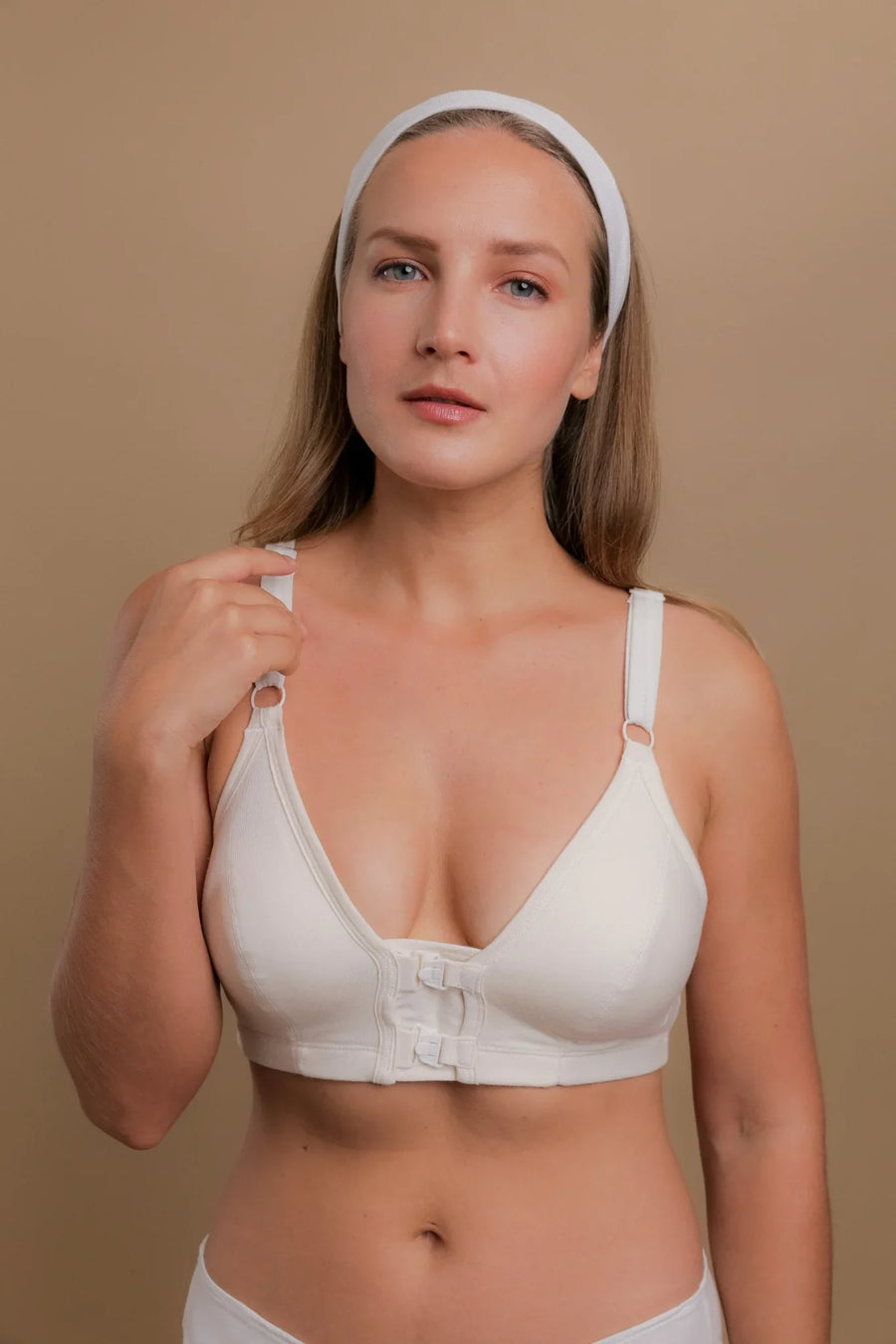
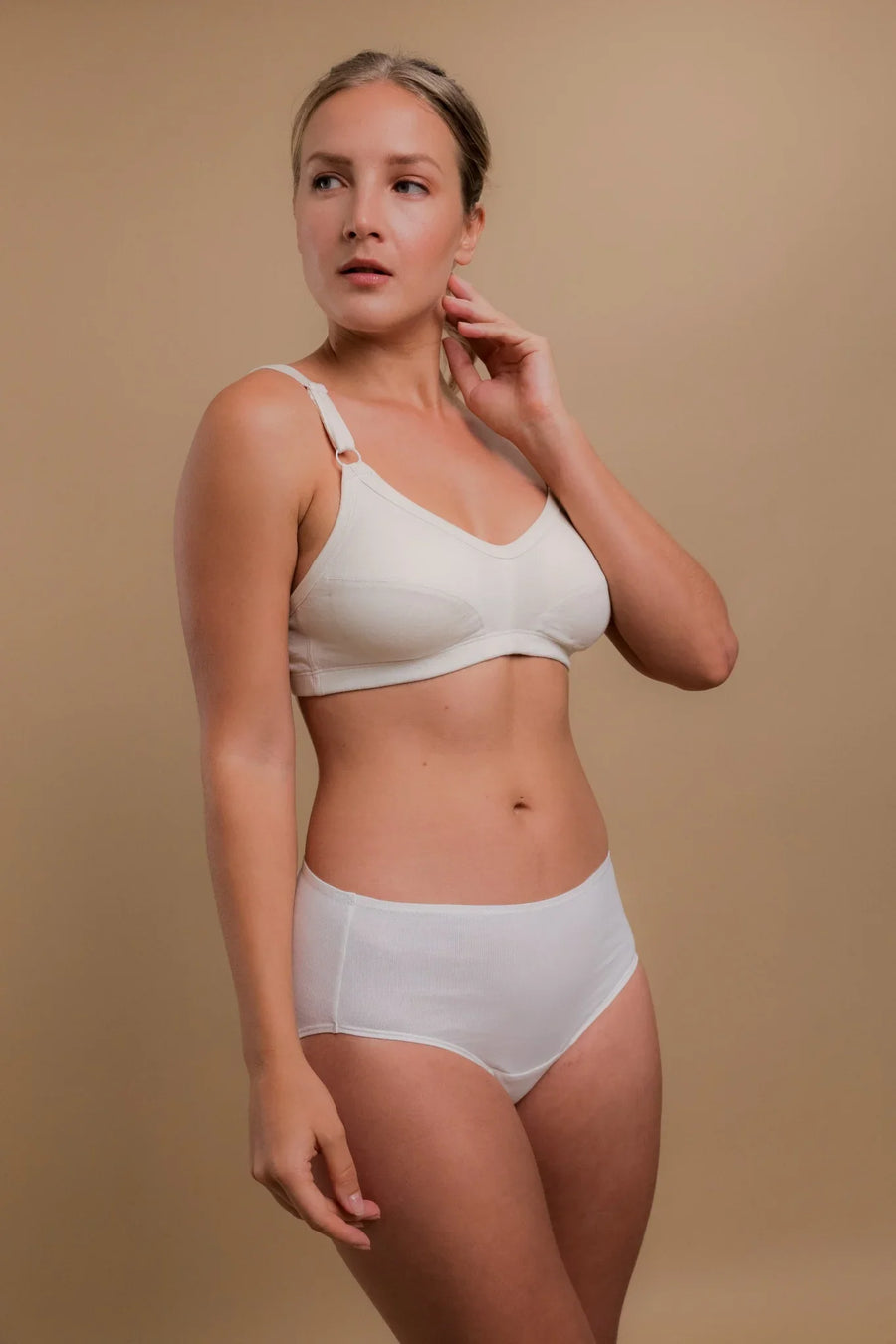
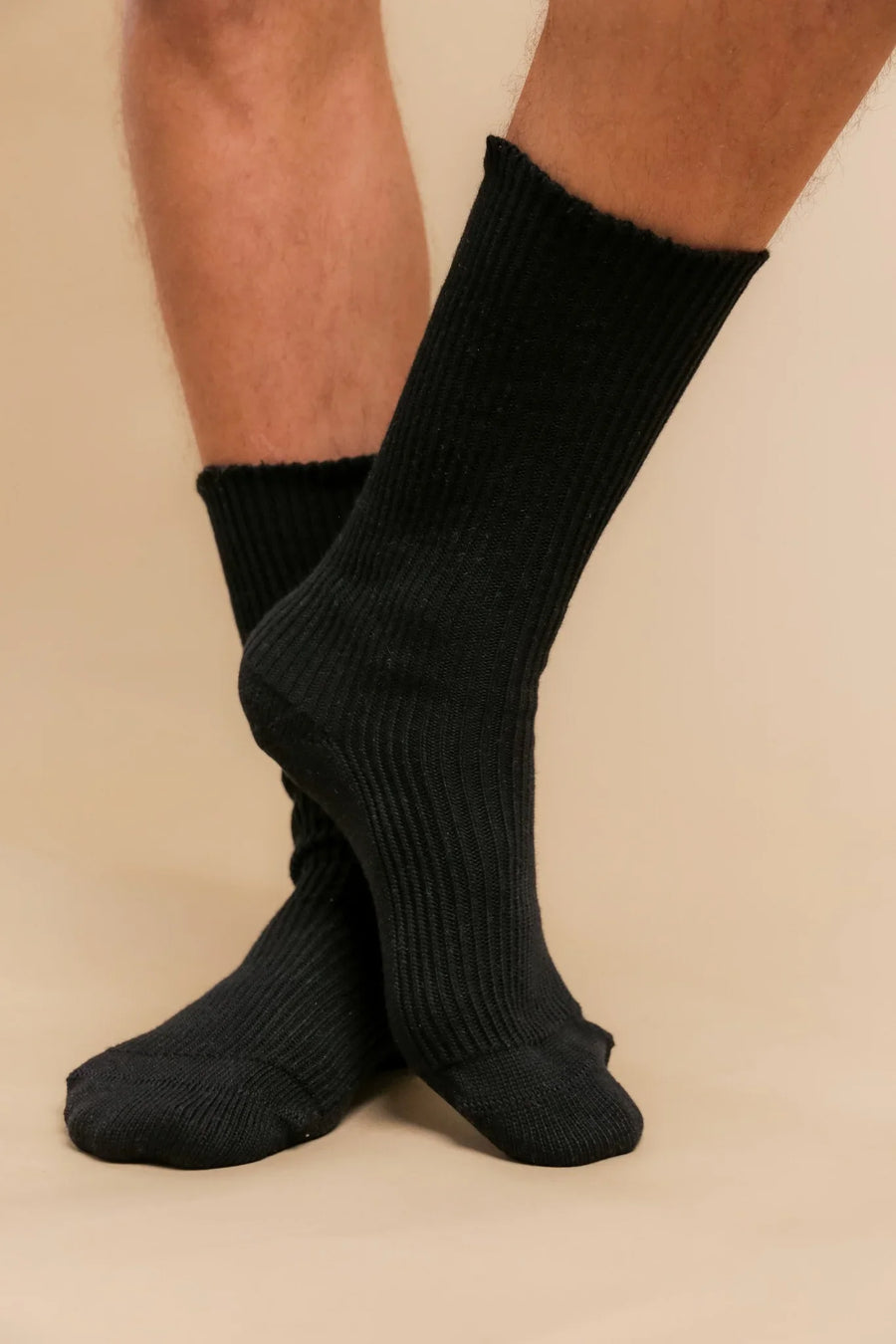
A group of rubber accelerators found in elastic waistbands, bra bands, sock cuffs, and rubber-soled shoes; may cross-react with carbamates
Carba Mix (Carbamates)
Rubber accelerator chemicals found in the same elastic and rubber products, and commonly cross-reacting with thiurams
Mercapto Mix / MBT
A rubber accelerator family found in elastic and rubber-soled shoes, a frequent cause of foot dermatitis
Black Rubber Mix
Antioxidants in black rubber products that may cross-react with hair dye chemicals (PPD)
Formaldehyde resins
Wrinkle-free and permanent-press finishes that can leach onto skin from treated fabrics
Disperse dyes
Synthetic dyes, especially on polyester, with reactions often worse where you sweat
Nickel sulfate
The most common contact allergen, found in metal snaps, bra hooks, and jean rivets

Frequently Asked Questions

Latex allergy is to the rubber protein itself. Thiuram, carbamate, and MBT allergies are to the chemicals used to process rubber - not the rubber itself. This means 'latex-free' synthetic rubber can still trigger your allergy because it still uses these accelerator chemicals.
Yes. Even weak positive reactions indicate an allergy that can worsen with continued exposure. Avoidance is recommended regardless of reaction strength.
Yes, unfortunately. People with one contact allergy are at higher risk for developing others. Reducing overall chemical exposure, including from textiles, may help prevent new sensitizations.
If you suspect textile allergy but weren't tested for rubber chemicals (thiuram, carba, MBT), disperse dyes, or formaldehyde, ask your dermatologist about additional testing.
Most people see improvement within 1-2 weeks. Complete settling may take 4-8 weeks depending on severity.
An irritant reaction means your skin reacted but it isn't a true allergy. Your dermatologist can help interpret what that means for you.

Self-Check Quiz

Check any statements that match your experience. This is for educational use only and not medical advice.

Did your results list any rubber accelerators like thiuram, carba mix, or MBT?
Do you have a rash where elastic bands, seams, or sock cuffs sit?
Are your reactions worse in areas where you sweat?
Did 'latex-free' products still trigger you, pointing to accelerator chemicals?
Do new or chemically finished clothes affect you more than worn-in cotton?
Pattern Indicator Assessment
Select responses
Check any statements that apply to see a pattern-based assessment.

Care Tips

Small routine changes can reduce exposure to irritants and residues.

Note Every Positive Result
Even a weak positive matters, so record each allergen and the products that commonly contain it.
Avoid Cross-Reactors Too
If you react to thiuram, you may also need to avoid carbamates; ask your doctor which families apply.
Go Truly Elastic-Free
Choose drawstring designs rather than 'latex-free elastic', which still contains accelerator chemicals.
Choose Undyed for Dye Allergy
If you're positive for textile dyes, natural and undyed cotton removes that exposure entirely.
Pick GOTS for Formaldehyde
For formaldehyde sensitivity, GOTS-certified, minimally processed cotton avoids wrinkle-free finishes.
Avoid Metal Fasteners
For nickel allergy, choose cotton closures and drawstrings instead of metal snaps and hooks.

Real Customer Reviews

From people managing the same condition

“My results came back positive for thiuram and carba mix, and I finally understood why 'latex-free' clothing still gave me a rash. Switching to truly elastic-free cotton made the difference.”

Verified Buyer · Thiuram and carba mix allergy
80% improvement

“I was positive for disperse dyes, so I moved to natural undyed pieces. The reactions where I used to sweat through colored fabric have settled down.”

Verified Buyer · Disperse dye allergy
80% improvement

“Understanding my formaldehyde result helped me avoid 'wrinkle-free' fabrics. GOTS-certified cotton has been so much kinder to my skin.”

Verified Buyer · Formaldehyde sensitivity
80% improvement